


How I processed my late adhd and dyslexic diagnosis… and came out of the other side feeling content
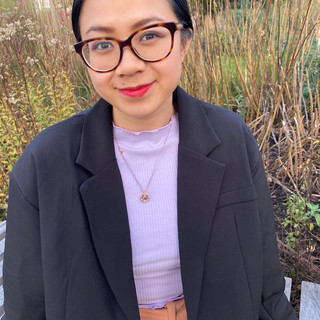

Hey, if you are new here, my name is Kim To. I’m a late-diagnosed dyslexic and ADHD girlie (I suspect I have autistic traits too, not enough to get officially diagnosed). I am the founder of my adhd coaching and neurodiversity consulting company, Own Your Flair. I’m creating cool free tools for the neurodivergent community via Flairtoolkit, and I’m creating CPD-certified courses to upskill managers (for organisational training) and coaches (self-paced) in neurodiversity awareness.
I went on this journey of training to be a certified ADHD coach after my combined ADHD diagnosis in December 2020. I was working in finance, a job I loved and actually worked incredibly hard to get the job, but with COVID and my undiagnosed ADHD, I severely burnt out. I also received a PTSD diagnosis at the time (relating to stuff I was dealing with childhood trauma). So it was a tough time, and I guess I wanted to focus on understanding my ADHD as I believed that if I took time out to understand my ADHD, maybe I would start making personal and career choices that would make me happier…and less burnt out?
Why I believe there is a trauma to be processed…
It’s been 5.5 years since my combined ADHD diagnosis, and it still feels like yesterday when I got told on the Zoom call that I had combined ADHD. The relief, mixed with grief, anger, sadness, confusion… I really didn’t know what to do with this information. Looking back now, I believe everyone who receives such a life-changing diagnosis needs time to process it. I hope that everyone has the luxury or the grace that people around them or in their workplace give them some space to process this diagnosis.
I can confidently say in my own experience and experience of coaching more than 100 individuals (mainly late-diagnosed women and non-binary people with late ADHD or AuDHD diagnosis), that there is a significant amount of trauma to be processed after the diagnosis.
Think about it, you have spent your whole adult life believing you had to operate like everyone else. I have compared myself to my peers countless times, asking myself why I can’t memorise information as fast as they do, why I can’t write or process information quickly, why I am spiralling with my emotions, etc. The list is endless. These comparisons grate on you over time, and it's a pain not to know it was because I’m neurodivergent. I would have saved a lot of criticism I inflicted on myself, and also would not have absorbed other people’s negative feedback about my “performance” or “speed”.
Basically… I would have just given myself less of a hard time. And that is something I work hard to support my clients in my coaching practice, helping them learn to give themselves grace.
Learning to give yourself grace
It’s not about excusing anything; it's about understanding that we simply can’t compare our brains to neurotypical brains. It’s not comparing apples with apples. And instead, let's use that energy to focus more on our strengths, because we have spent most of our lives conforming, trying to hone skills that would help us navigate processes and systems built not for our brains. I often think that I am dyslexic, yet I spent most of my adult years trying to perfect my essays at university, and trying to make sure I wrote the best emails. This used up 10x more cognitive energy than it would for someone who is not dyslexic… thank god for AI now, I say. At least now with AI, I don’t have to worry about manually taking meeting notes, triple-checking my emails, and can brain dump thoughts, and AI will quickly put the thoughts coherently in an email, etc. This saves so much cognitive energy that I can direct it to my creative pursuits.
Acknowledge the bad stuff
A part of being gracious to yourself is actually acknowledging how s*it it was to grow up neurodivergent and not knowing. I had to sit back and think about all the missed opportunities in my life, the friendships that blew up because I couldn’t emotionally regulate, the very public breakdowns I had with my ex when we were in public, because I struggled to emotionally regulate. The list is endless, and, of course, you don’t need to go over every scenario, but I think part of reflecting is looking back, seeing things as they were, and accepting that you acted with the information you had at hand. Now knowing I am neurodivergent, and working hard on my emotional regulation skills and communication skills,I can make better choices so that I don’t impact my relationships and friendships. Being human is all about being able to look back, grieve and promise yourself to learn from the mistakes.
Start to direct energy to unmasking
Masking is a term used to explain when neurodivergent people use energy to behave or act like neurotypical people to fit in… a prime example being when I’m in social situations, and I find the conversations so boring, but I have to force myself to stay engaged. Or when I’m in a lecture hall and the format is just not how my adhd brain would want to process information but I’ll force myself to sit still and look like I am paying attention. All of these micro behaviours, day in and day out, take up energy.
And I think the process of unmasking is realising, gradually, how to do that in a way that will release you from the burden of masking to fit in. For me, these small actions looked like just being able to wear clothes I liked (textures and colours really impact my mood) and being able to work from home so I could save my energy for travel, which would be very overstimulating. It could be allowing myself to not go to certain meetings, or instead of coming in person to that meeting, I’ll dial in and turn my camera off to save energy.
These behaviours just save a ton of energy and gradually started making me feel happier. Yes I understand at work you need to be “visible” and people with power of influence need to see you in the office, etc., but this has to be balanced with neurodivergent people’s real needs for workplace flexibility. I would say, surely, in a digital world, there have to be other ways to be “visible” with what you are doing, without having to show up in person and peacock to your boss that you are doing loads and loads of work?
In my coaching practice, I regularly talk to my clients about energy and how to unmask. This is because, on ordinary neurodivergent people will burn out more often… and regularly because we are using a lot of energy to mask and compensate in the workplace. On top of running a very busy personal life. Unmasking takes confidence, intentionality and needs to be done in a way that is not going to disadvantage you at work or professionally.
Give yourself permission and focus on your strengths
Another part of processing trauma is just giving yourself permission to do life differently. I wholeheartedly gave myself permission to pursue experiences as long as they paid my rent and taught me something about myself. I worked on a movie set for 5 months, I signed up to acting school, I got myself an acting agent, I painted, read, and, of course, built my business from scratch. I think all these experiences are meant to give me data on what I enjoy, what I am good at. Because when you are neurodivergent, I think you just need to do things to understand how your brain works. Whether you like it, whether you were and are good at it.
Funny thing is, I now get paid to speak publicly about neurodiversity, but 5 years ago I would have been terrified to speak to a room full of investors at my old company.
I think when you give yourself permission, perhaps new strengths and quiet confidence unlock because you already know you are different. And so it's not about being scared to conform anymore. It’s just about living life authentically, you.
A note to anyone going through a late adhd or Audhd diagnosis
It’s going to take time, but give yourself time to really process the feelings, the memories, the disappointments. Once you have done that, you can start to create space to explore opportunities to live a life where you can’t be anything other than yourself.
Lots of love
Kim
Comments